
Conservation stonework
Repairs to historic and listed stone buildings that keep as much of the original fabric as possible, carried out to a specification agreed with your architect and the planning authority.

What the work involves
Working alongside architects, engineers and historians, our masons preserve stonework and prevent further damage to monuments, listed buildings and buildings of architectural note. Conservation work typically includes:
- Repairing rather than replacing,keeping sound original stone in place
- Indenting new stoneonly where the original has failed, matched in colour, texture and bedding
- Lime mortarsmatched to the original, never cement
- Rebuilding unstable masonryusing the original stone wherever it is sound
- Photographs and notesof what was done, for you and for the building’s future
As much as necessary, as little as possible
Good conservation repair slows decay and keeps a building's history legible, using materials that are compatible with the stone around them. That is why we agree mortar and stone samples with your architect and, where needed, Historic Environment Scotland before work begins, and why we would rather repair a stone than replace it.
Listed building repairs and consentsRelated projects
All projects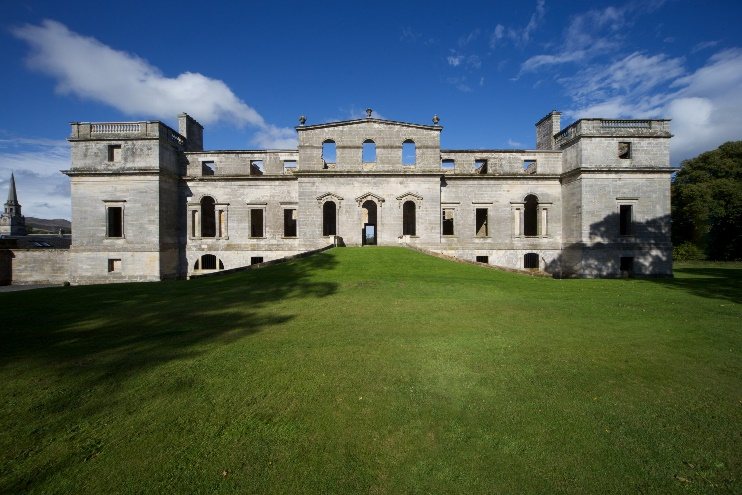
Penicuik House
Restoring the shell of an 18th-century mansion left a ruin by fire in 1899, now open to the public.

Alabaster monument, Scone Palace
Conserving the 1618 alabaster monument in the chapel at Scone Palace, untouched since 1921.
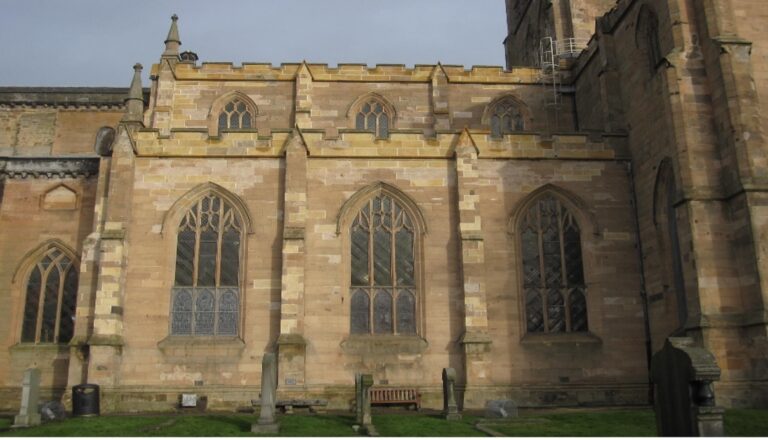
Dunfermline Abbey
Indenting and repointing walls and parapets, with lead, slating and leaded glass repairs.
Conservation stonework questions
What is conservation stonework?
It is repair work on historic masonry that keeps as much original stone as possible, uses compatible traditional materials such as lime mortar, and is recorded so future owners know what was done. The aim is to keep the building’s character, not just to make it sound.
Do I need listed building consent for stonework repairs?
Like-for-like repairs in matching materials often do not need consent, but work that changes the character of a listed building does, and almost any work on a scheduled monument needs consent from Historic Environment Scotland. Check with your local planning authority first. We regularly work with architects on applications.
Can you match the existing stone?
Yes. Where stone has to be replaced we look for a match in colour, texture and bedding, and prepare samples so you, your architect and the planning officer can approve it before work starts.

Tell us about your building
Send a short description and a few photos. We will call you back to talk it through and, if it helps, arrange a site visit.
- Phone01620 861 683
- Emailinfo@gbrownstonemason.com
- OfficeStation Yard, East Linton, East Lothian