
Stone repairs and lime pointing
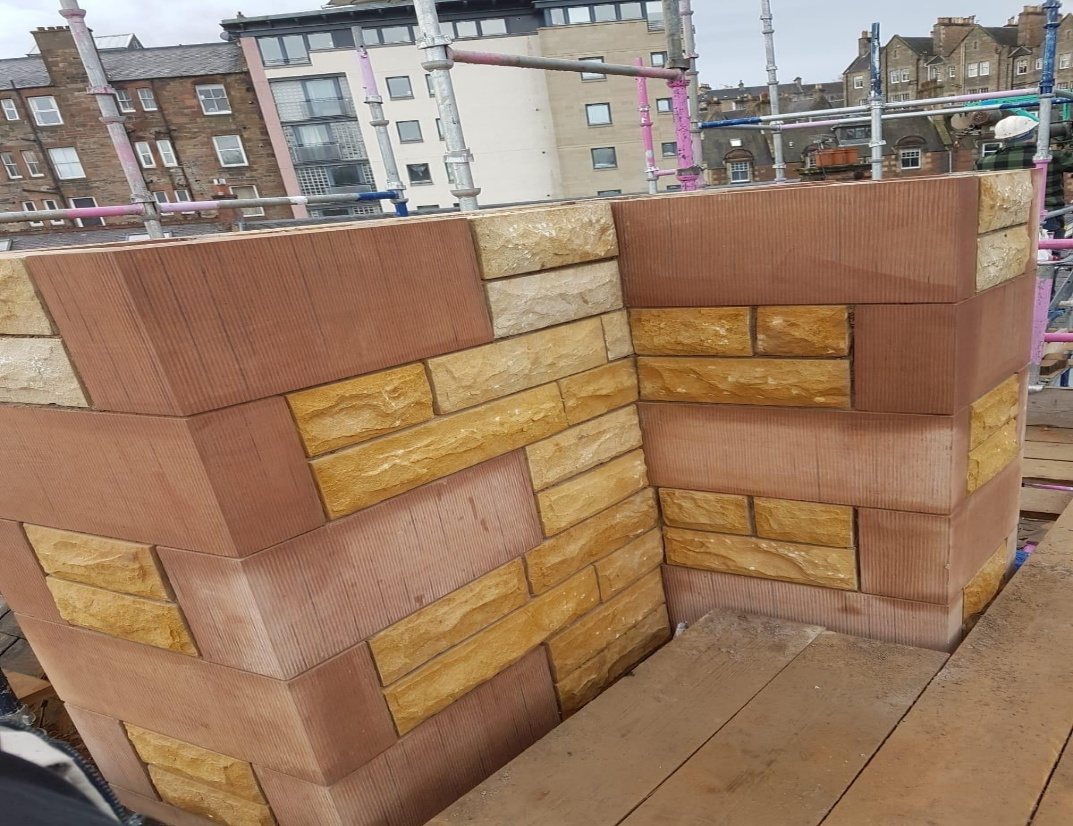
Weathered and damaged stonework repaired to its original line, new stone indented to match, joints repointed in lime mortar, and chimney stacks and boundary walls put right.
What the work involves
Our masons advise on how much repair is really needed, recommend the right treatment, source matching stone and carry out the work. On a typical repair we:
- Inspect the stoneworkand find the causes of decay, from failed joints to leaking gutters
- Rake out by handsoft, loose and cement-based mortar without damaging the stone arrises
- Repoint in limeusing a mortar matched to the original in colour, texture and strength
- Indent new stonewhere the original has failed, cut to the profile of the old
- Reset loose masonryand repair copes, skews and parapets
- Repair chimney stacks,from new stones and lime pointing to taking a stack down and rebuilding it
- Repair boundary wallsand renew failed window mastic around stone openings
Why lime mortar matters
Traditional stone walls were built with lime. It is softer and more porous than the stone, so moisture leaves the wall through the joints. Cement pointing traps that moisture in the stone, which speeds up decay and frost damage. Repointing in lime protects the stone you want to keep.
Repointing a listed buildingRelated projects
All projects
St Mary’s Cathedral, Edinburgh
Roof, leadwork and repointing for Scotland's largest cathedral, which stays open every day while the work goes on.
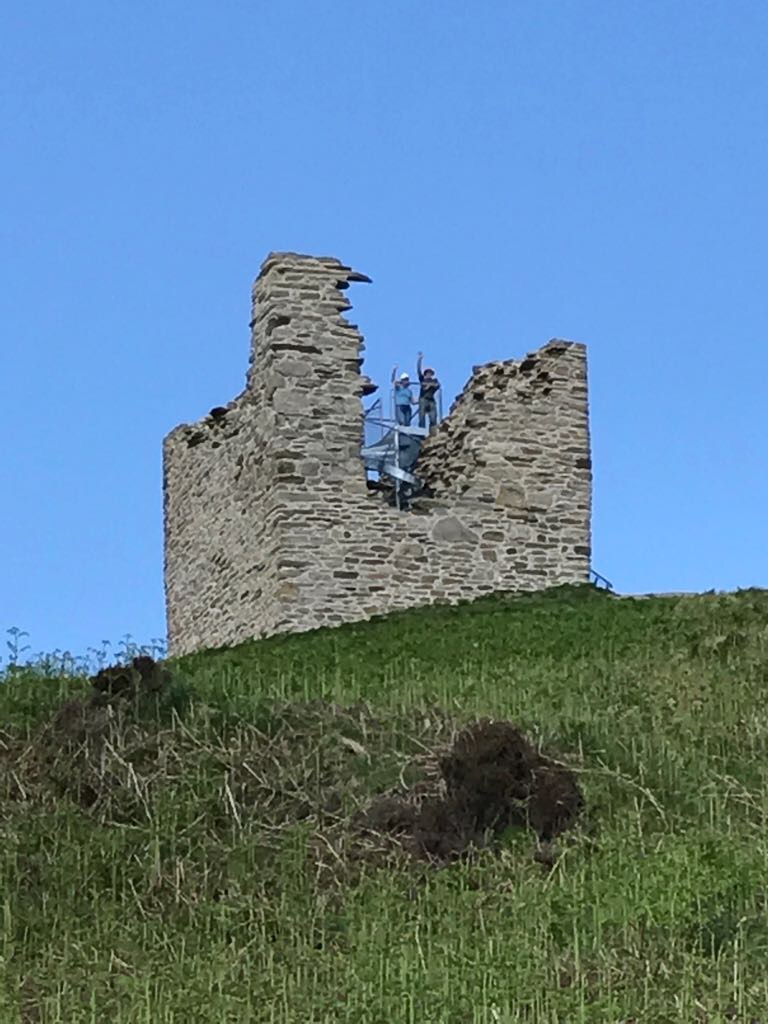
Caisteal Bharraich, Tongue
Consolidation of an isolated ruined castle, with a steel stair and viewing platform lifted in by helicopter.
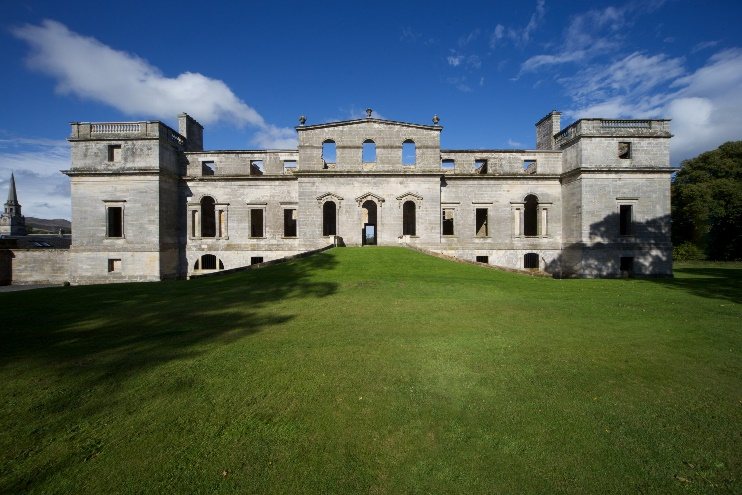
Penicuik House
Restoring the shell of an 18th-century mansion left a ruin by fire in 1899, now open to the public.
Stone repair and pointing questions
Can you match the colour of the existing mortar?
Yes. We match the sand and lime to the original and prepare sample panels so you, your architect and the planning officer can approve the colour and texture before work starts.
Can lime work be done in winter?
Lime must be protected from frost while it cures, so most pointing is planned between spring and autumn. Winter work is possible with the right protection: Invergarry Castle was consolidated through a Highland winter.
Do I need consent to repoint a listed building?
Like-for-like repointing in a matching lime mortar does not usually need listed building consent, but it is always worth checking with your planning authority. Changing the mortar type or joint finish may need consent.
Do you repair chimney stacks?
Yes. On Heriot Row in Edinburgh’s New Town we replaced decayed stones in listed chimney stacks with matching buff sandstone, repointed them in an NHL lime mortar and fitted new chimney cans. At Belford Mews we took the stacks down and rebuilt them.

Tell us about your building
Send a short description and a few photos. We will call you back to talk it through and, if it helps, arrange a site visit.
- Phone01620 861 683
- Emailinfo@gbrownstonemason.com
- OfficeStation Yard, East Linton, East Lothian